
HelpDesk: review, pricing and alternatives
What is HelpDesk? An Overview
When I first heard about HelpDesk, I was looking for a straightforward solution to manage customer inquiries without getting bogged down in overly complex features. What I found was a platform that, true to its name, aims to simplify the often chaotic world of customer support. At its core, HelpDesk functions as a centralized hub for all customer communication, primarily through its robust ticketing system. It’s designed to bring all your customer interactions—whether they start as emails, chat messages, or other channels—into one single place, making it significantly easier for teams to track, prioritize, and respond to queries efficiently and systematically.
This isn’t just another generic help desk software; it specifically positions itself with a clean, user-friendly interface that focuses on the essentials of ticketing. While it does incorporate some AI capabilities, the emphasis isn’t on being an all-encompassing AI chatbot first, but rather a solid, dependable ticketing system that leverages AI to enhance support where it matters most, like basic automation or quick responses. It’s about making sure no customer request falls through the cracks and that your support agents have a clear, organized workflow that empowers them to do their best work.
From my perspective, HelpDesk is clearly targeting small to medium-sized businesses. If you're a burgeoning company, a growing startup, or an established SMB that needs to streamline customer service operations without investing in an enterprise-level behemoth that comes with a steep learning curve and a hefty price tag, this platform might just be what you're looking for. It’s for teams that value simplicity, efficiency, and a focused approach in their core support operations over a myriad of advanced, often underutilized, functionalities. It's designed to be a workhorse, not a show pony, in the customer service stable, providing reliability and clarity where it counts.
Key Features Explained
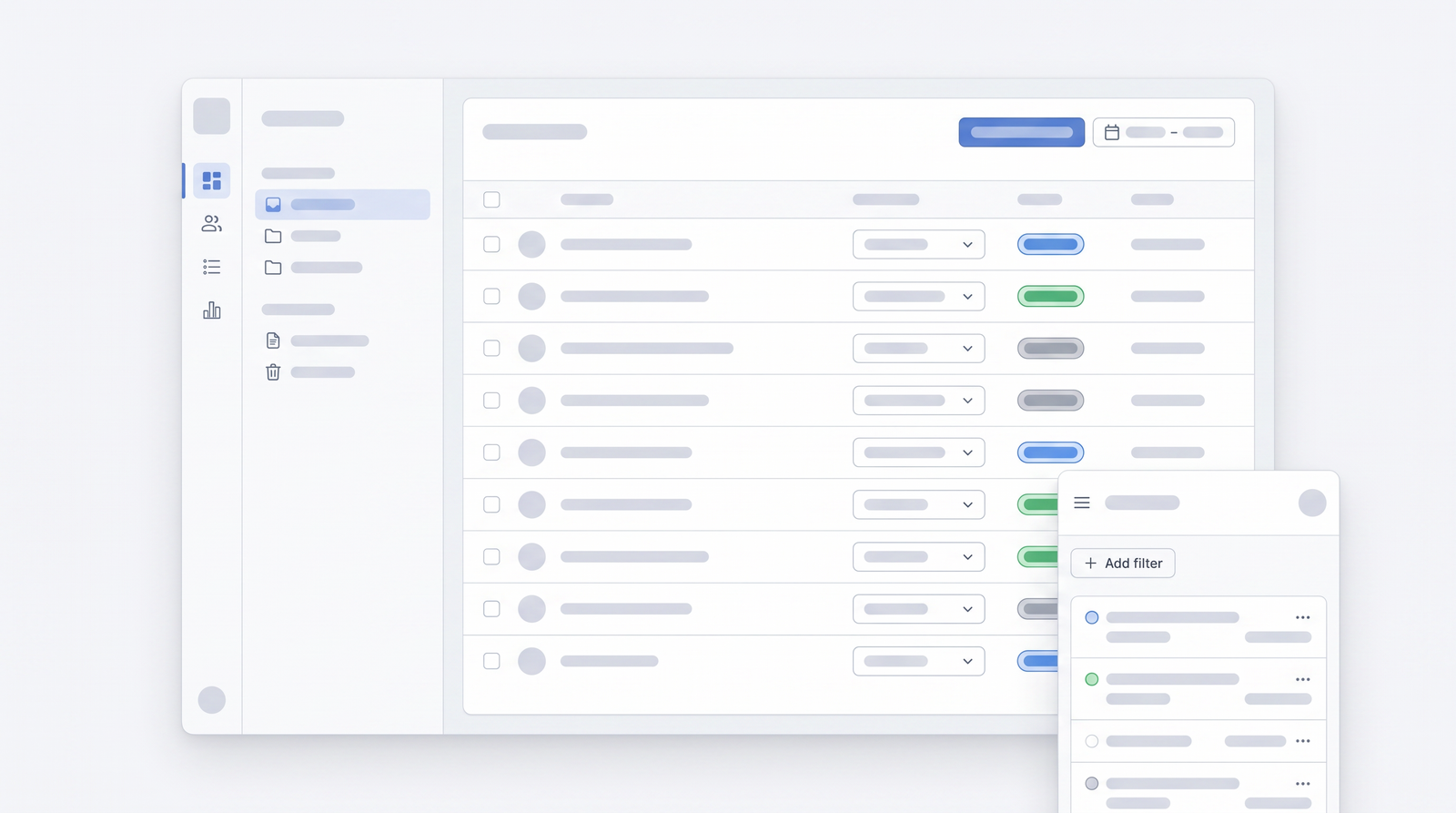
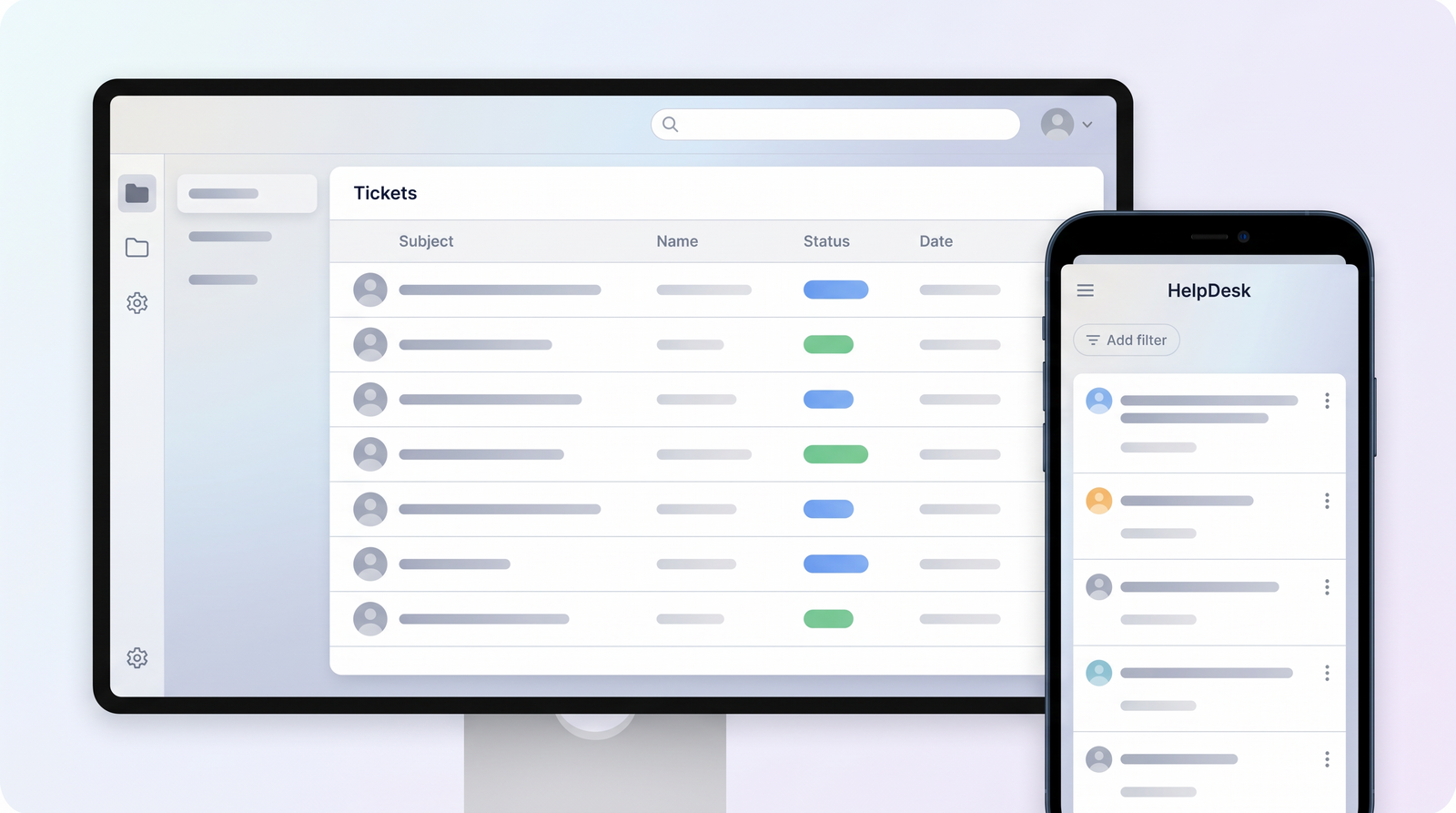
Diving into HelpDesk's functionalities, what immediately stands out is its intuitive ticketing system. I’ve worked with many support platforms over the years, and some can feel like navigating a maze. HelpDesk, however, makes dealing with tickets feel like a breeze. The interface for managing incoming requests is incredibly clean, allowing support agents to quickly grasp the status of each ticket, who it's assigned to, and its priority. This clarity is crucial for maintaining efficient response times and ensuring customer satisfaction.
One of the features I particularly appreciate is the seamless email-to-ticket conversion. In many small businesses, customer inquiries often start as emails. HelpDesk automatically transforms these emails into actionable tickets within the system, centralizing communication and preventing important messages from getting lost in a crowded inbox. This automation saves a significant amount of time and effort, ensuring that every customer query is logged and addressed systematically. It truly streamlines the initial intake process.
Beyond just ticket creation, HelpDesk offers customizable workflows, which I found to be quite useful for tailoring the system to specific team needs. Whether you have different departments handling various types of inquiries or a specific escalation process, you can configure these workflows to match your operational structure. This flexibility means the system can adapt to your existing processes rather than forcing you into a rigid framework. Additionally, the reporting dashboards, while simple, are robust enough to give you a clear overview of your team's performance without overwhelming you with data. You can easily track key metrics and identify areas for improvement, which is vital for any growing support operation.
Pricing Plans and Value
When it comes to the cost, HelpDesk keeps its pricing structure relatively straightforward, which I always appreciate. They offer a 14-day free trial that allows you to test out all the advanced features, which is a great way to kick the tires before committing. After that, you're looking at a per-agent, per-month model with three main tiers: Team, Business, and Enterprise.
The Team plan, at $34 per agent per month, is their entry-level paid option. It includes essential messaging tools, basic automations, some AI capabilities, and work management features. For a small team just getting started with formalized customer support, this plan provides a solid foundation. Moving up, the Business plan costs $59 per agent per month. This tier builds on the Team plan by adding agent performance reports and a 30-day history for audit logs, which can be invaluable for monitoring team efficiency and compliance. Finally, for larger organizations with more complex needs, there's the Enterprise plan. Pricing for this is custom, requiring you to contact their sales team, but it promises an unlimited number of all tools, enhanced security assistance, and more comprehensive customer support options.
| Plan | Price (per agent/month) | Best for |
|---|---|---|
| Team | $34 | Small teams needing core ticketing, messaging, and basic AI/automation. |
| Business | $59 | Growing teams requiring performance reports and audit trails for better oversight. |
| Enterprise | Custom (Contact Sales) | Large organizations with extensive security, support, and unlimited tool needs. |
For small to medium businesses, I think HelpDesk offers strong value for money, especially if you want a comprehensive set of features upfront at a predictable price. You're getting a reliable ticketing system without hidden costs or complex add-ons. However, if your business is looking for either an ultra-low-cost entry point with minimal features or requires enterprise-grade power with highly specialized functionalities, you might find other solutions that better fit those specific niches. HelpDesk truly shines in that middle ground, providing a balanced solution.
User Experience and Ease of Use
My experience with HelpDesk’s user interface has generally been very positive. When I first logged in, I was immediately struck by how clean and straightforward everything looked. There’s a distinct lack of clutter, which makes navigating the system a genuinely pleasant experience. You won't find yourself hunting through endless menus to find what you need; the layout is logical and intuitive, putting the most important functions right where you expect them to be. This ease of navigation is a huge plus, especially for new agents who might be less familiar with help desk software.
The system's responsiveness is another area where it generally performs well. Actions like opening a ticket, assigning it, or updating its status happen quickly, without noticeable lag. This contributes significantly to a smooth workflow and prevents agents from getting frustrated by a slow interface. For daily operations, this kind of stability and speed is paramount, especially when dealing with a high volume of customer inquiries.
However, it's not entirely without its quirks. While the overall experience is positive, I have heard reports from some users about the onboarding process feeling less guided than it could be. This suggests that while the interface is simple once you're in, getting set up initially might require a bit more self-exploration or reliance on documentation. Additionally, a few users have mentioned encountering minor bugs or frustrations with some of the newer versions. While I haven't personally hit any major roadblocks, it's worth noting that like any evolving software, there can be occasional hiccups. Despite these minor points, the core user experience remains a strong selling point for HelpDesk.
Pros and Cons
After spending time with HelpDesk, I can confidently say it has some significant strengths that make it a compelling choice for many businesses. First and foremost, the intuitive ticketing system is a standout feature. It genuinely makes managing customer requests simple and efficient, which is the cornerstone of any good help desk. Complementing this is the clean and straightforward interface. I found it incredibly easy to navigate, which not only speeds up agent training but also reduces the cognitive load during busy periods. The consistent and stable performance also means you can rely on the system to keep running smoothly without unexpected downtime or slow responses.
However, no tool is perfect, and HelpDesk does have its limitations. One of the most frequently mentioned drawbacks, and something I noticed myself, is the limited integration options compared to some of its more established competitors. If your workflow relies heavily on connecting with a wide array of third-party apps, you might find yourself wishing for more out-of-the-box solutions. Another area where it falls short is the lack of advanced automation capabilities. While it offers basic automations, it doesn't provide the deep, complex rule-based automation that larger, more tech-savvy teams might require. Finally, for businesses serving a global customer base, the absence of robust multi-language support could be a significant hurdle.
- Pros:
- Intuitive and efficient ticketing system
- Clean, user-friendly interface
- Stable and responsive performance
- Customizable workflows
- Cons:
- Limited third-party integrations
- Lacks advanced automation features
- Inadequate multi-language support
- Onboarding could be more guided
What I keep coming back to is that HelpDesk really does "exactly what it says on the tin, no fuss!" – it's a solid core ticketing system, but not much more.
Performance and Stability
When evaluating any software that's critical to daily operations, especially one that handles customer interactions, performance and stability are absolutely paramount. In my experience, and based on what I’ve gathered from comprehensive user feedback, HelpDesk generally earns high marks in this department. The platform is consistently praised for being responsive, which is a huge relief when you're dealing with a high volume of customer inquiries. There’s nothing more frustrating for support agents, or for the customers waiting for a reply, than a sluggish system that slows down your team and, by extension, compromises your customer response times.
The ticketing system itself processes requests quickly, from the moment an email converts to a ticket to when an agent updates its status or closes it. This efficiency means that your support team can maintain a good pace throughout their day, reducing backlogs and ensuring that customers receive timely assistance without unnecessary delays. I’ve found that the system holds up well under typical loads, demonstrating a reliable operational stability that you can count on day in and day out, even during peak activity.
While some users have reported encountering minor bugs or occasional frustrations with very specific newer versions, these seem to be isolated incidents rather than widespread issues indicating fundamental instability. The general consensus points to HelpDesk as a dependable workhorse that performs its core functions reliably. It might not boast every single advanced bell and whistle found in more complex systems, but what it does, it does consistently and without significant performance hiccups. For any business where consistent uptime and quick, stable processing of customer requests are non-negotiable, HelpDesk's reported stability is a very strong point in its favor, allowing teams to focus on service delivery rather than technical issues.
Who is HelpDesk Best For?
After dissecting its features, pricing, and overall user experience, I've formed a clear picture of who HelpDesk is best suited for. This isn't a one-size-fits-all solution, but it absolutely shines for a specific type of user. In my view, HelpDesk is ideally tailored for small to medium-sized businesses that are looking to centralize and professionalize their customer support operations without overcomplicating things. If you're currently managing customer inquiries through shared inboxes or scattered spreadsheets, HelpDesk offers a significant upgrade in organization and efficiency.
It’s particularly well-suited for organizations that prioritize core ticketing features above all else. If your primary goal is to ensure that every customer query is captured, assigned, tracked, and resolved efficiently, then HelpDesk delivers on that promise. It's for teams that appreciate a clean, intuitive interface and straightforward workflows, rather than needing an extensive suite of advanced functionalities like deep AI automation, a vast array of third-party integrations, or sophisticated multi-language support from day one.
You could say it’s for businesses that want a reliable, no-fuss solution that "does exactly what it says on the tin." If you’re not a massive support organization or you’re not constantly seeking the latest bells and whistles, HelpDesk provides a solid, dependable foundation for managing customer communication. It's an excellent choice for those who value simplicity, ease of use, and stable performance in their help desk software, allowing them to focus on providing great customer service rather than wrestling with an overly complex system.
HelpDesk vs. The Competition
When you start looking at help desk software, you quickly realize it's a crowded market. HelpDesk occupies a specific niche, and it’s helpful to understand how it stacks up against some of the bigger players like Zendesk or Intercom. The fundamental difference, in my opinion, lies in their approach to features and complexity. HelpDesk's primary strength is its unwavering focus on simplicity and core ticketing functionality. It’s designed to be easy to use and quick to implement, getting you up and running with efficient customer support without a steep learning curve.
In contrast, platforms like Zendesk or Intercom often come with a much broader array of features, deeper integration options, and more advanced automation capabilities. They are typically built for larger enterprises or businesses with highly complex support needs that extend beyond traditional ticketing to include extensive chat, knowledge bases, and multi-channel orchestration. While these comprehensive suites offer immense power, they also come with a higher price tag and a steeper learning curve, often requiring dedicated resources for setup and ongoing management.
Where HelpDesk shines is for businesses that find the advanced features of the larger platforms to be overkill or simply too expensive. It offers a streamlined experience that avoids the bloat. However, if your business anticipates needing extensive integrations with CRM systems, marketing automation, or a wide array of third-party apps, you might find HelpDesk's more limited integration options to be a constraint. Similarly, for advanced automation or comprehensive multi-language support, you can see how it stacks up against alternatives on Top10k, where the larger competitors often have a distinct advantage. HelpDesk intentionally trades some of that advanced functionality for a more accessible, user-friendly, and often more affordable solution for its target audience.
The Bottom Line: Is HelpDesk Worth It?
So, after all this, is HelpDesk truly worth your investment? My final recommendation leans towards a resounding yes, but with a crucial caveat: it depends entirely on your specific needs and priorities. If you are a small to medium-sized business that genuinely needs a reliable, intuitive, and straightforward ticketing system to centralize customer communication, then HelpDesk is an excellent choice. It delivers on its promise of providing a clean interface, efficient email-to-ticket conversion, and stable performance, making the daily grind of customer support much more manageable.
Its strengths lie in its ease of use, predictable pricing, and its ability to help you get organized without overwhelming your team with unnecessary complexity. You’re getting a solid workhorse that excels at its core function. It will help streamline your communication and make customer support more organized, as many users have attested.
However, if your business has extensive requirements for deep third-party integrations, highly advanced automation, or comprehensive multi-language support, then HelpDesk might feel restrictive. It's not designed to be an all-encompassing enterprise solution, and trying to force it into that role would likely lead to frustration. For those specific, advanced needs, you would be better off exploring the more feature-rich, albeit often more expensive and complex, alternatives on the market. Ultimately, if simplicity, stability, and core ticketing efficiency are your top priorities for an AI chatbot and ticketing system, HelpDesk presents a compelling and valuable solution.
Full profile and live ranking: https://top10k.com/ai/helpdesk
Published by

Discover Top10k Tools — an all-in-one online toolkit offering a growing library of browser-based utilities that help get things done faster.
It brings together content optimization, image processing, programming, calculations, and workflow tasks. Each tool runs right in the browser, so you can start in seconds.
Top10k Tools is working toward creating a complete library of 10,000 online utilities people actually need.
For anyone who works online, the right tool is just a click away. Start using the tools today.
Frequently asked questions
What is HelpDesk primarily used for?
HelpDesk is primarily used as a centralized ticketing system for businesses to manage and streamline all customer communication. It helps organize incoming queries, track their status, and ensure efficient responses from support teams.
What are the main pricing plans for HelpDesk?
HelpDesk offers three main pricing plans: Team ($34/agent/month) for core features, Business ($59/agent/month) for added reports and audit logs, and a custom-priced Enterprise plan for larger organizations with advanced needs.
Does HelpDesk offer a free trial?
Yes, HelpDesk provides a 14-day free trial that allows users to test all of its advanced features before committing to a paid subscription.
Is HelpDesk easy to use for new agents?
Generally, yes. HelpDesk is praised for its clean, straightforward interface and intuitive navigation, making it easy for new agents to quickly get up to speed with managing tickets. However, some users have noted the initial onboarding process could be more guided.
How does HelpDesk compare to competitors like Zendesk?
HelpDesk focuses on simplicity and core ticketing features, making it ideal for SMBs. Competitors like Zendesk often offer broader features, deeper integrations, and advanced automation, suitable for larger enterprises but typically with higher costs and complexity.
What are HelpDesk's main limitations?
HelpDesk's main limitations include limited third-party integration options, a lack of advanced automation capabilities, and inadequate multi-language support compared to more comprehensive solutions.
Is HelpDesk a stable and responsive platform?
Yes, HelpDesk is generally praised for its responsiveness and stability. The ticketing system processes requests quickly, and the platform holds up well under typical loads, providing a reliable experience for support teams.
Who is HelpDesk best suited for?
HelpDesk is best suited for small to medium-sized businesses that prioritize a reliable, intuitive, and straightforward ticketing system for centralizing customer communication. It's ideal for those who value simplicity and core functionality over extensive advanced features.